Explore educational information about vitamins, minerals, and natural sources of essential nutrients that contribute to daily wellness and balanced lifestyle.
Educational content only. No promises of outcomes.
Understanding the role of vitamins and minerals in daily nutrition is an important part of maintaining a balanced lifestyle. Men, like all individuals, benefit from consuming a variety of nutrients through diet and, when appropriate, supplementation.
Common nutrients that are often discussed in nutrition science include Vitamin D, which is associated with bone health and immune function; Vitamin B12, which plays a role in energy metabolism; Zinc, a mineral involved in numerous bodily processes; and Magnesium, which supports muscle and nerve function.
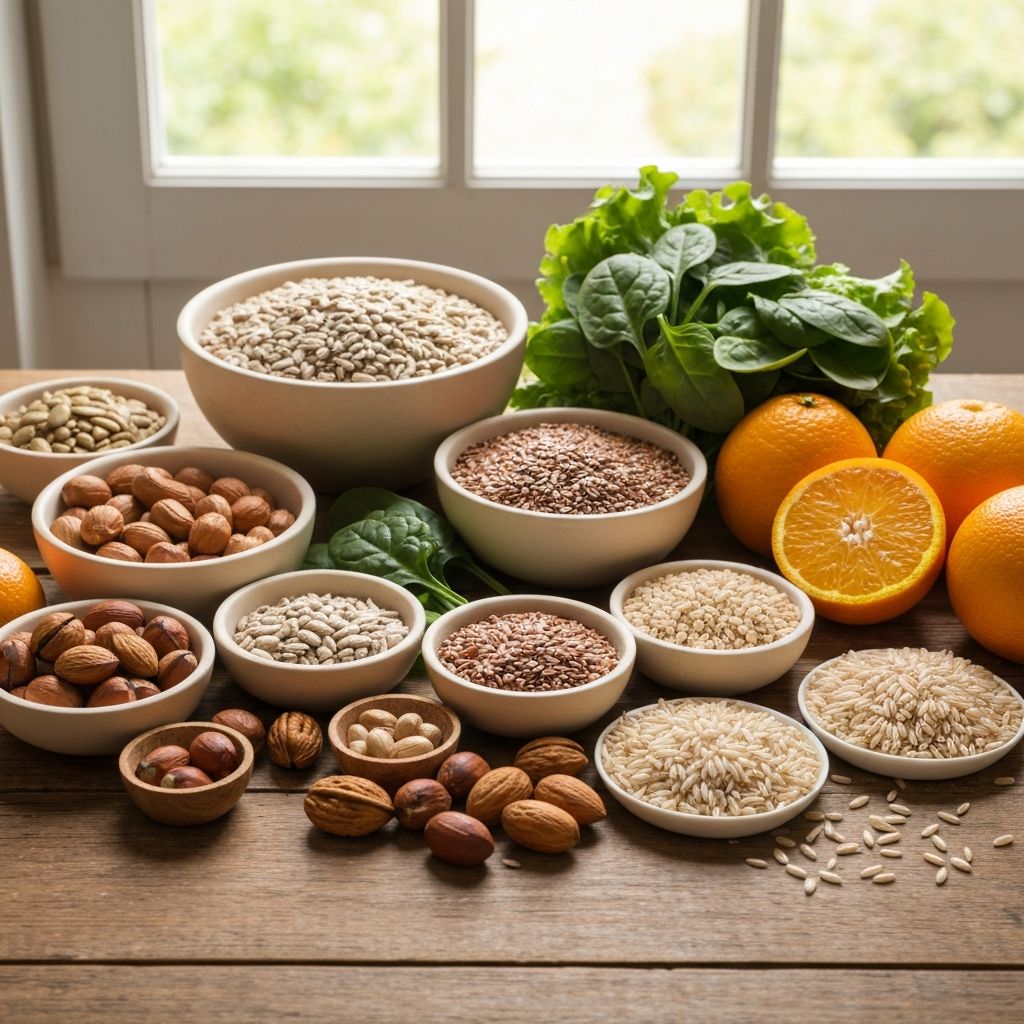
Natural food sources such as leafy greens, nuts, seeds, whole grains, and citrus fruits provide many of these essential nutrients. A diverse and balanced diet is generally considered the foundation of good nutrition.
Vitamins are organic compounds that the body needs in small amounts for various functions. Fat-soluble vitamins include A, D, E, and K, while water-soluble vitamins include the B vitamins and Vitamin C. Each vitamin has distinct roles in supporting health.
Minerals are inorganic elements that are essential for body function. Key minerals include calcium, magnesium, potassium, zinc, and iron. These minerals are obtained through diet and are involved in processes ranging from bone formation to enzyme activity.
Many nutrients can be found in whole foods. Leafy greens are rich in iron and folate, nuts provide healthy fats and vitamin E, citrus fruits are high in vitamin C, and dairy products offer calcium and vitamin D. Eating a variety of foods helps ensure adequate nutrient intake.
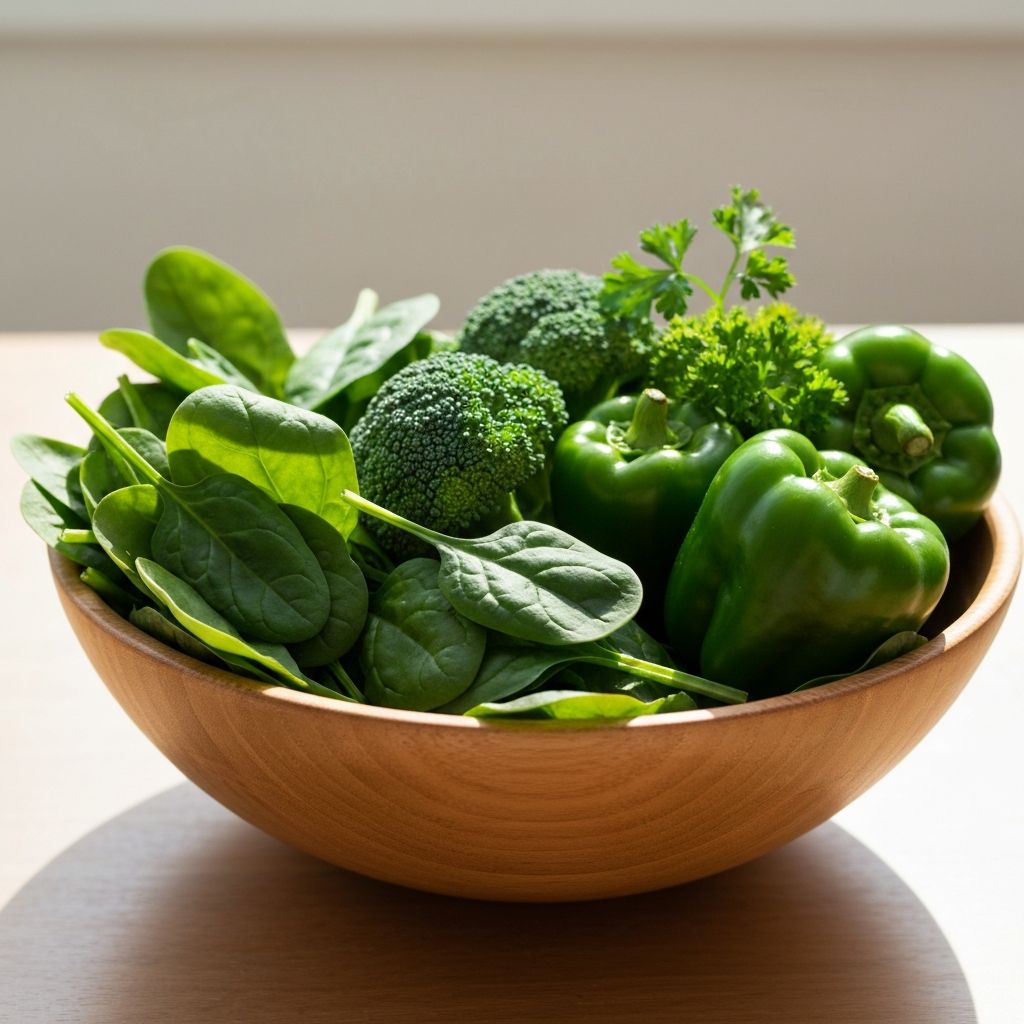
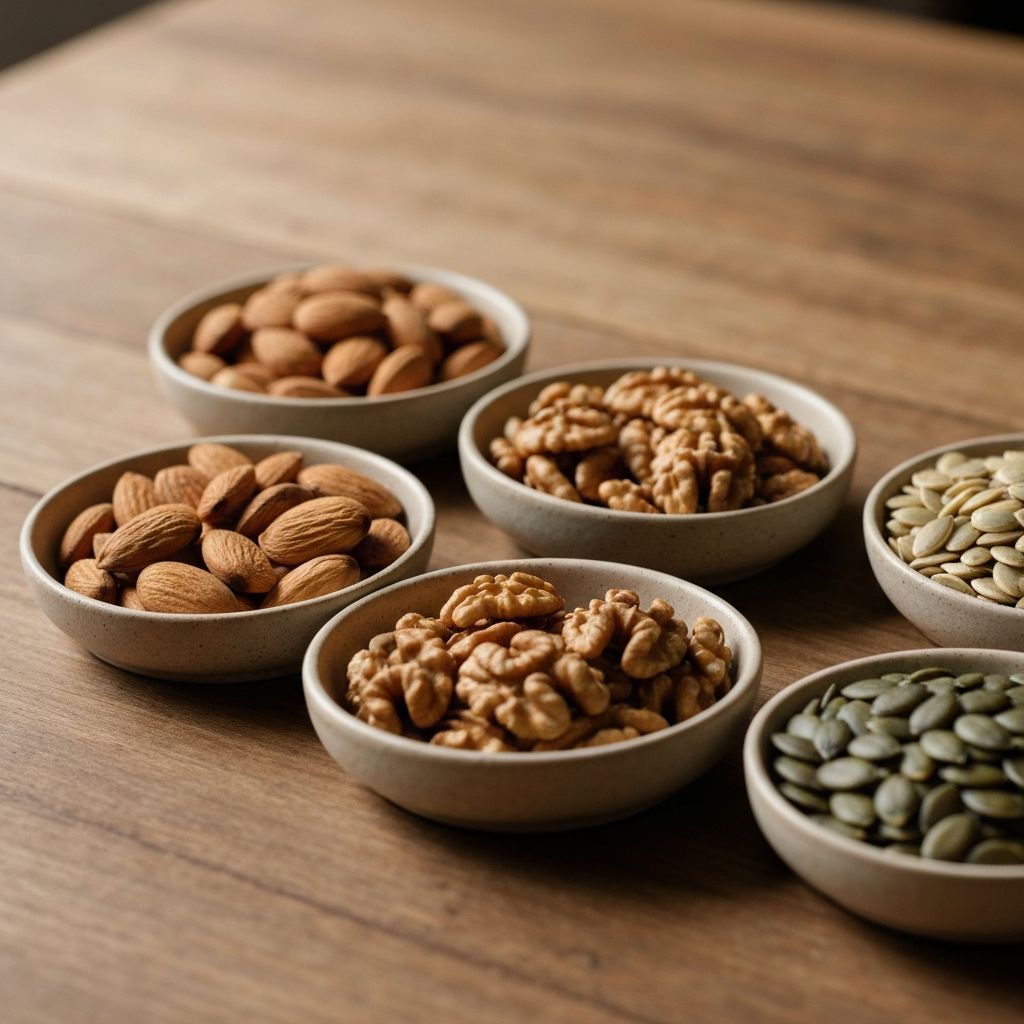
Below are examples of natural food sources that provide essential nutrients. These images illustrate the diversity of whole foods that contribute to a balanced diet.
Rich in iron, folate, and antioxidants. Examples include spinach, kale, and Swiss chard.
Provide healthy fats, vitamin E, and minerals like magnesium and zinc. Common options are almonds, walnuts, and pumpkin seeds.
High in vitamin C, fiber, and antioxidants. Oranges, berries, and other fruits support overall wellness.
Incorporating nutrient-dense foods into daily meals is a practical approach to supporting health. This might include starting the day with whole grains and fruit, having a salad with lunch, and choosing lean proteins and vegetables for dinner.
Consistency is more important than perfection. Small, sustainable changes to eating habits can have a meaningful impact over time.
Dietary supplements are products that contain nutrients such as vitamins, minerals, herbs, or other substances. They are intended to supplement the diet, not replace whole foods.
Many people choose to take supplements to help meet their nutritional needs, especially if they have dietary restrictions or specific lifestyle factors. It is always advisable to consult with a healthcare professional before starting any supplementation regimen.
Nutrition practices vary widely across cultures and regions. In Europe, traditional diets often emphasize fresh vegetables, whole grains, olive oil, and moderate portions. The Mediterranean diet, for example, is frequently studied for its balanced approach to eating.
In Germany and Central Europe, meals often include whole grain breads, root vegetables, fermented foods, and seasonal produce. These traditions reflect a cultural appreciation for simple, wholesome ingredients.
Understanding different cultural approaches to nutrition can provide insights into diverse ways of achieving a balanced diet. There is no single correct way to eat; rather, many dietary patterns can support health when they prioritize variety, moderation, and whole foods.

This platform provides information on various aspects of nutrition and supplementation for men. The goal is to educate and inform, not to provide medical advice or prescribe specific interventions.
Learn about individual vitamins, their roles in the body, and natural food sources that provide them.
Explore TopicDiscover the importance of minerals in nutrition and where to find them in everyday foods.
Read MoreExplore articles about balanced eating, nutrition habits, and integrating wellness into daily life.
Continue LearningThe information provided on this website is for educational purposes only. It is not intended as medical advice, diagnosis, or treatment. Always consult with a qualified healthcare professional before making any decisions about your health or nutrition.
Individual needs vary widely, and what works for one person may not be appropriate for another. This resource presents general information about nutrition and does not replace personalized guidance from healthcare providers.
We do not endorse specific products, brands, or treatment approaches. The content is informational and aims to help readers understand nutrition concepts, not to influence purchasing decisions or health behaviors.